Felix Romuliana – An Imperial Palace in Serbia
Serbia

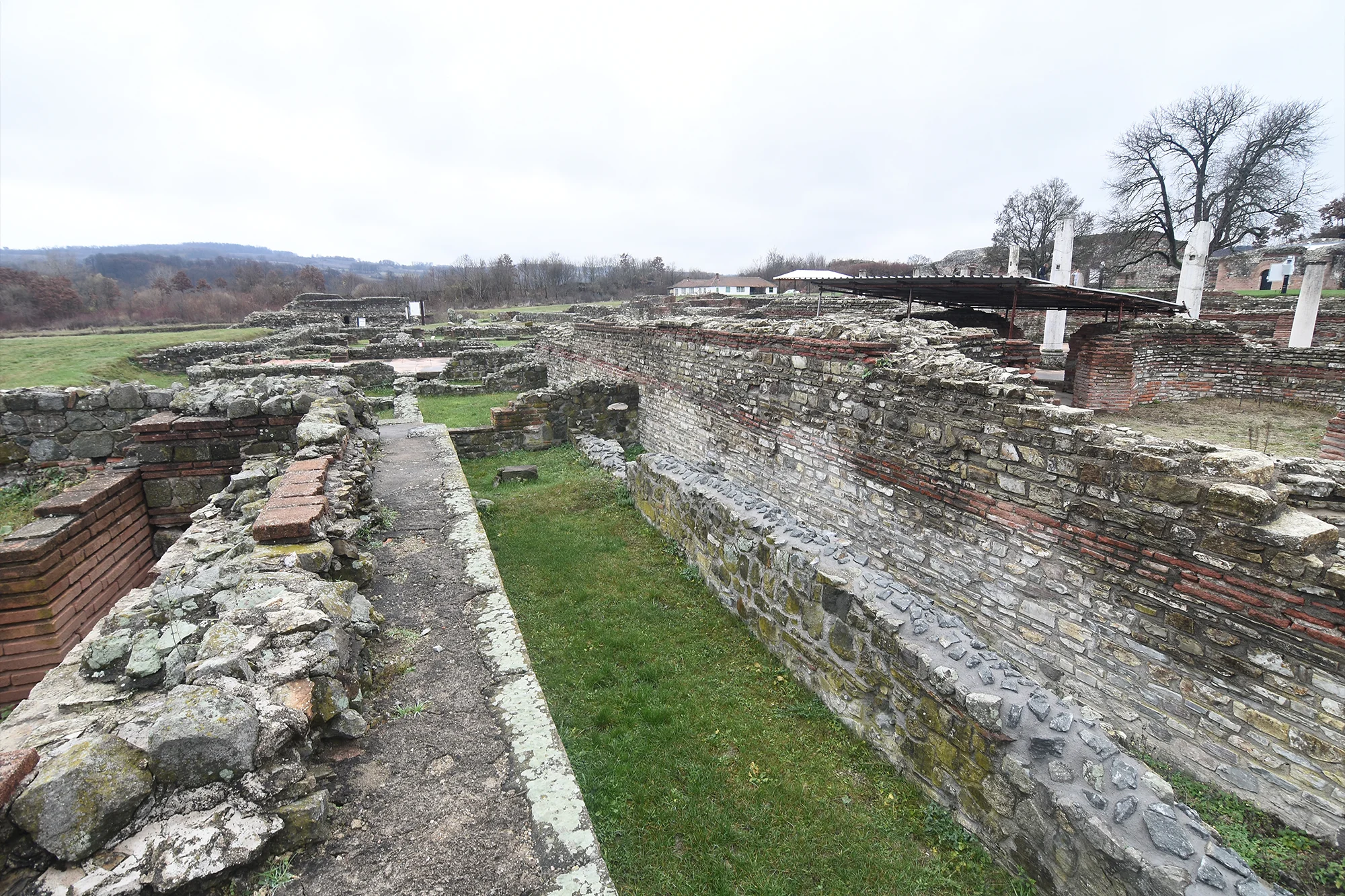


Felix Romuliana, an outstanding archaeological complex near Zaječar, stands as one of the most important testimonies of Late Roman architecture in Serbia. It was built in the late 3rd and early 4th century by the Roman Emperor Gaius Valerius Maximianus Galerius in his native region, conceived as a magnificent imperial residence and a spiritual center dedicated to his mother, Romula.
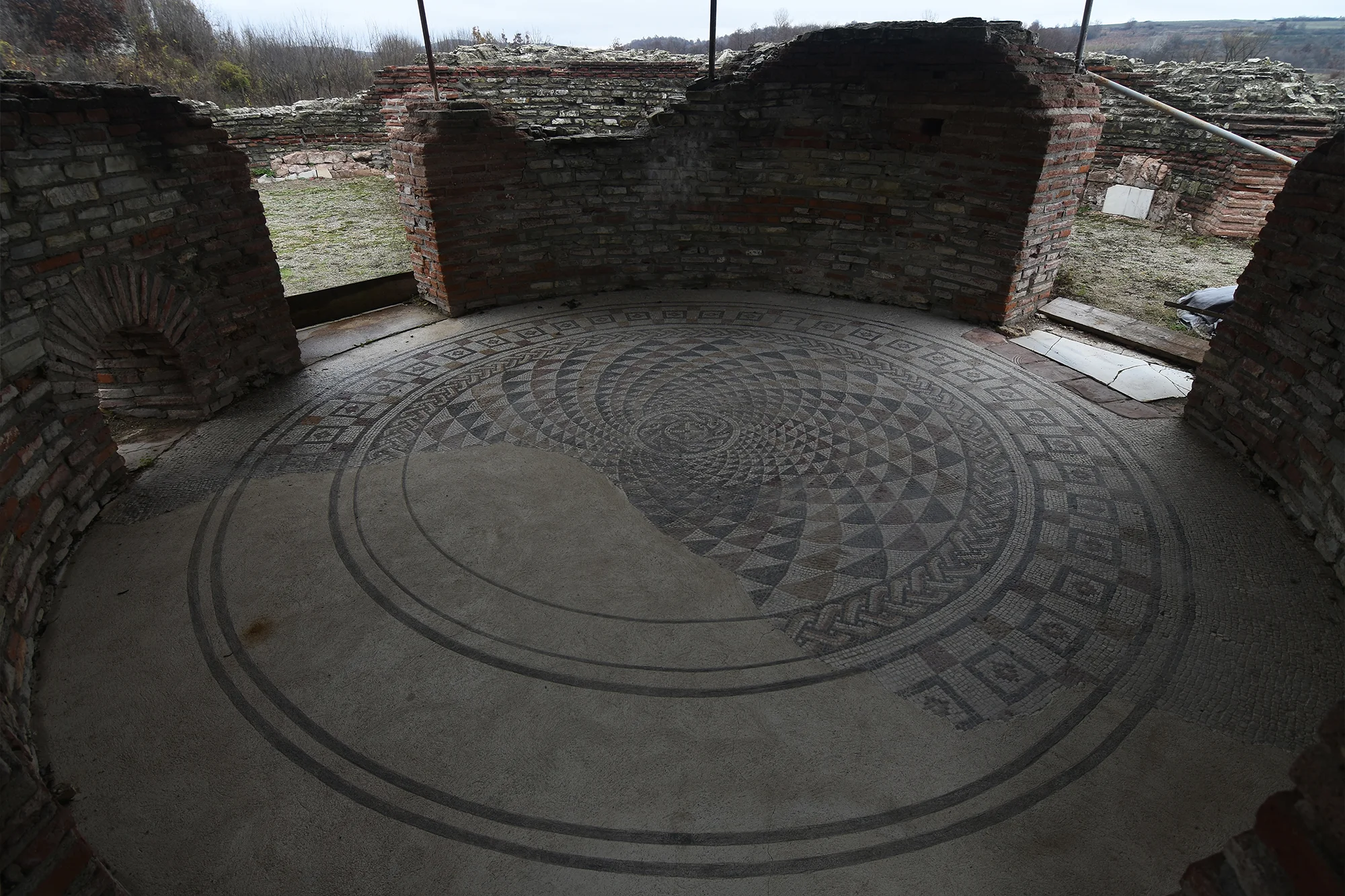
Construction began around 298 AD, during the height of Galerius’ military successes, but the complex was never fully completed. Nevertheless, even in its unfinished state, Felix Romuliana reflects the grandeur and symbolism of imperial power. Within its massive fortified walls stood a luxurious palace with ceremonial halls adorned with rich, colorful mosaics. These depict scenes of a mystical labyrinth, the god Dionysus, and imperial hunting scenes, illustrating the fusion of art, religion, and ideology of the time. A carved profile portrait of Emperor Galerius has also been preserved, offering a rare glimpse into the artistic legacy of the period.
The complex also includes two temples, one of which is believed to have been dedicated to the goddess Cybele, while the other served as a monumental structure associated with the imperial cult. Outside the fortified walls lies Magura Hill, the site of apotheosis—where Galerius and his mother were deified according to Roman tradition. The remains of their mausoleums and memorial structures have been discovered at this location.
In the 5th century, the complex was devastated during the invasions of the Huns led by Attila. It was later restored and repurposed as a Byzantine military fortress, continuing its historical life in a new form. Today, Felix Romuliana is protected by UNESCO and inscribed on the World Heritage List, recognized as a remarkable monument of cultural and historical significance that continues to inspire visitors from around the world.