Dolmen of Portela da Anta
Portugal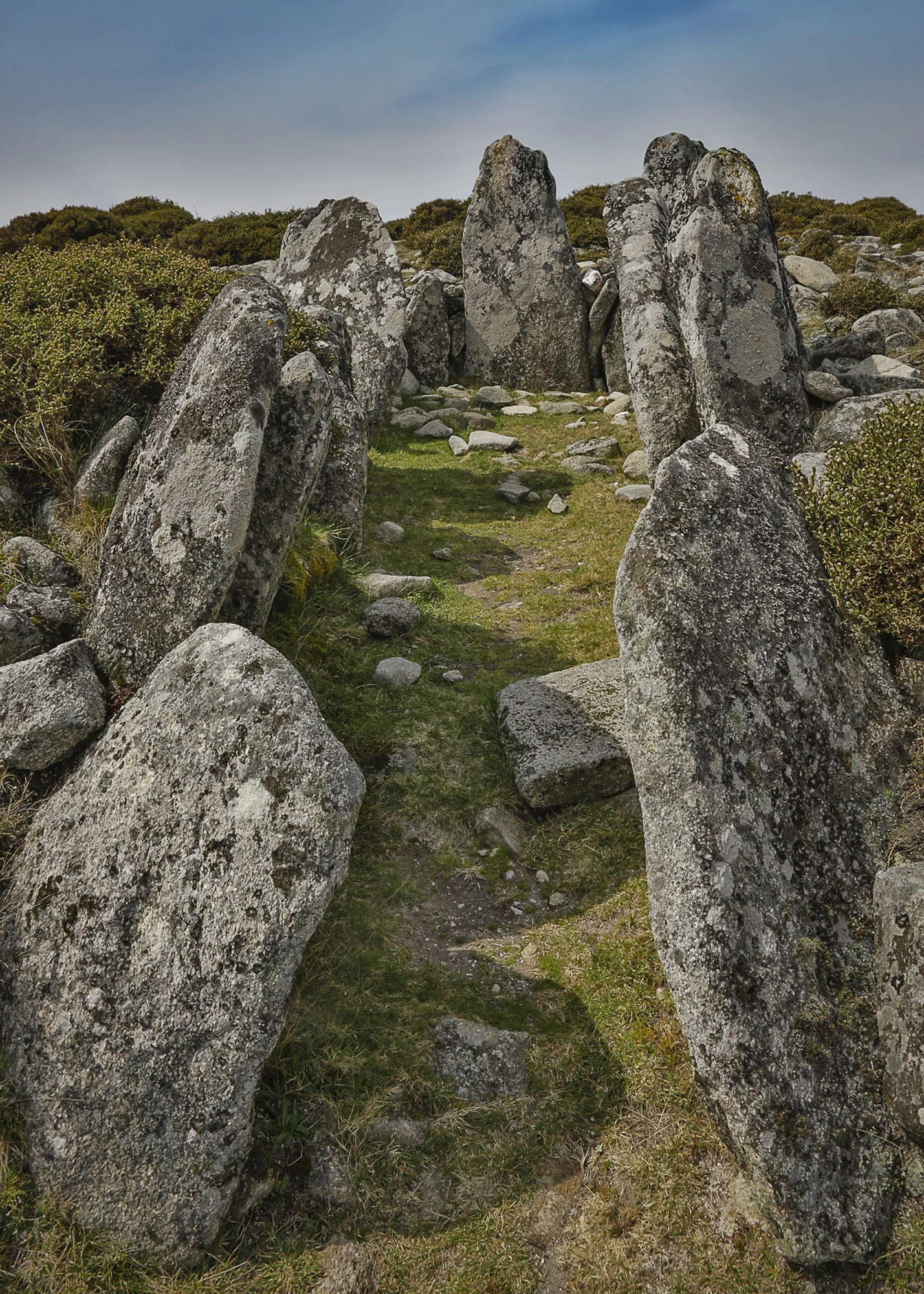
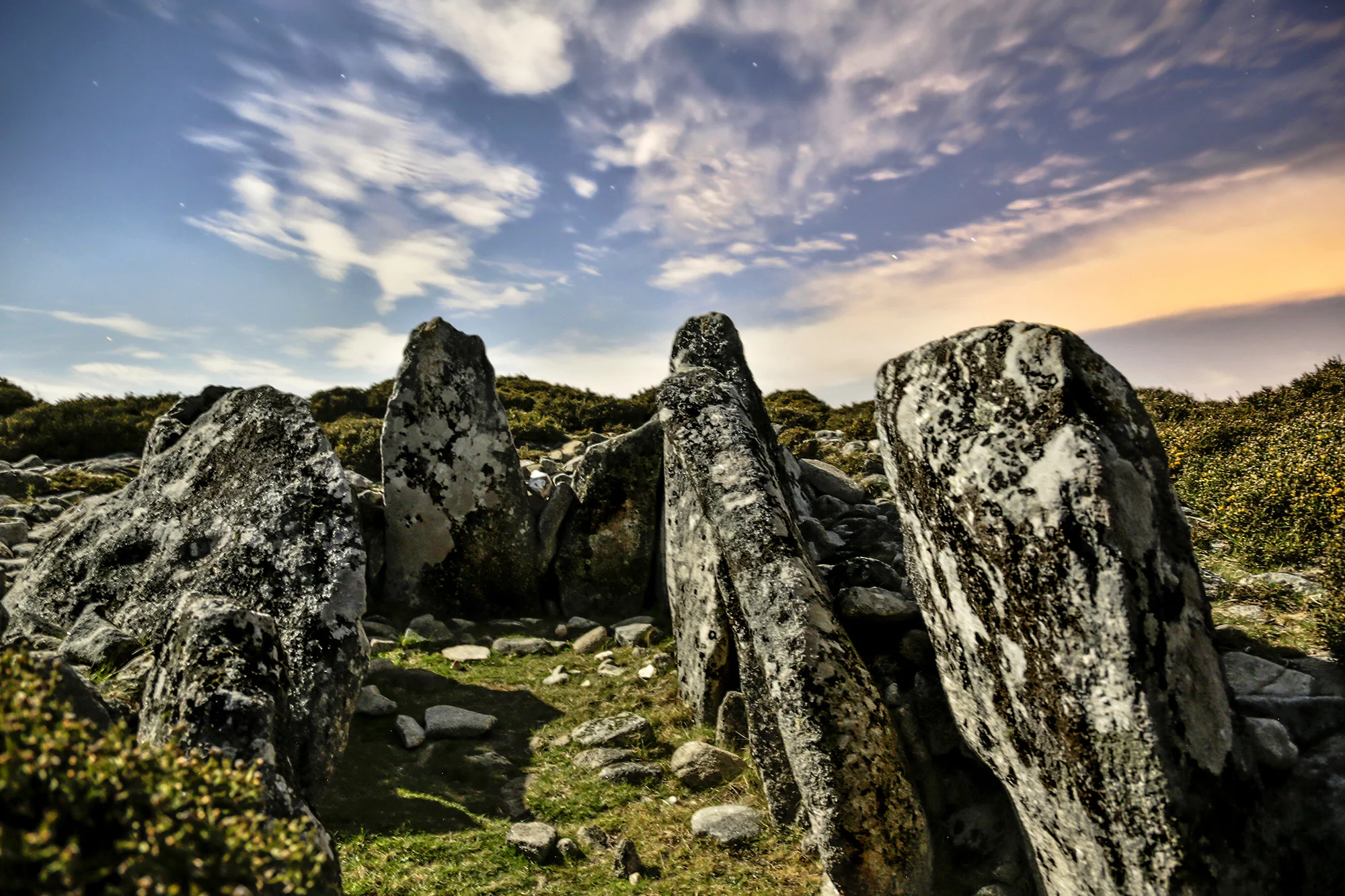
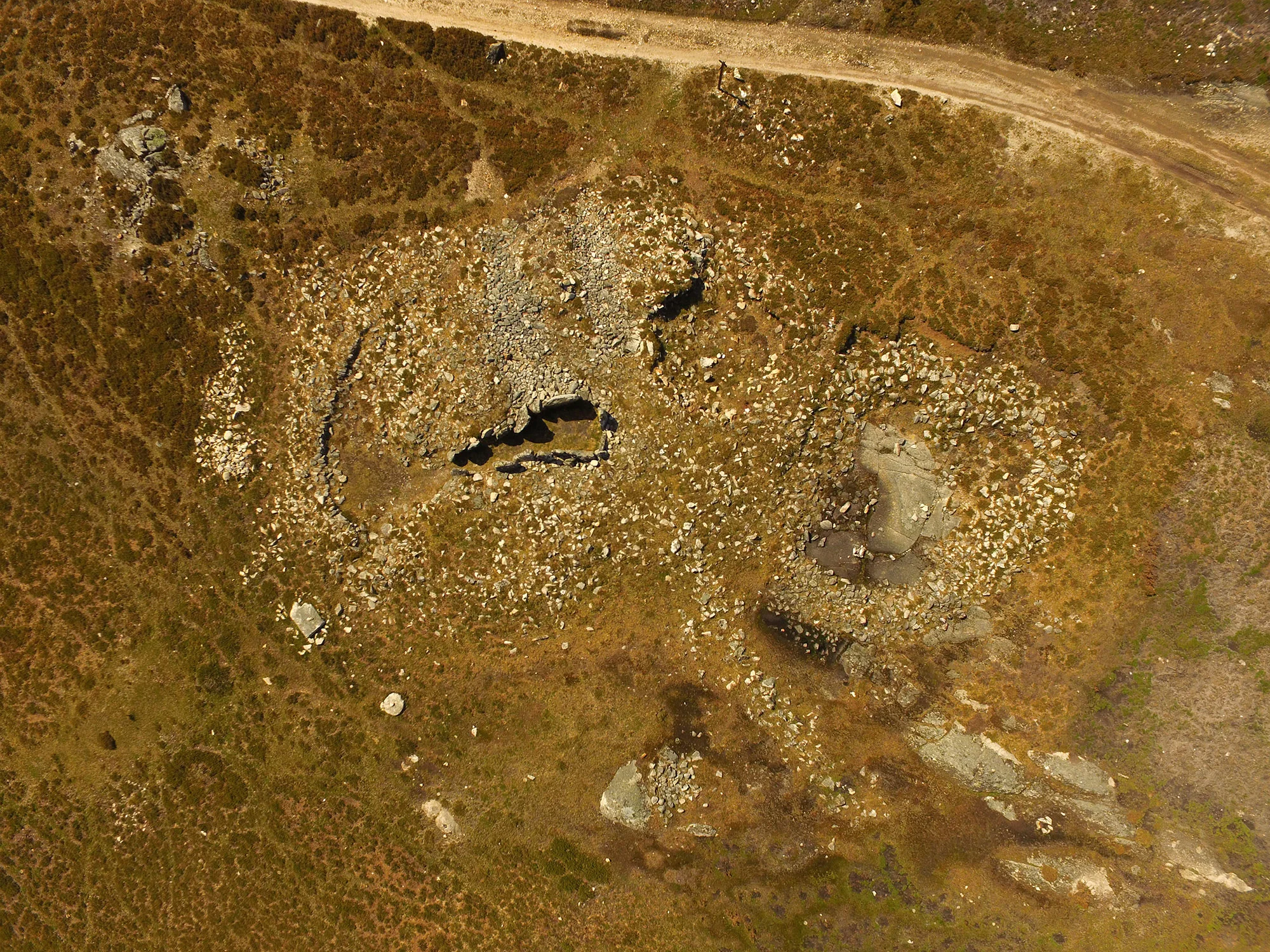
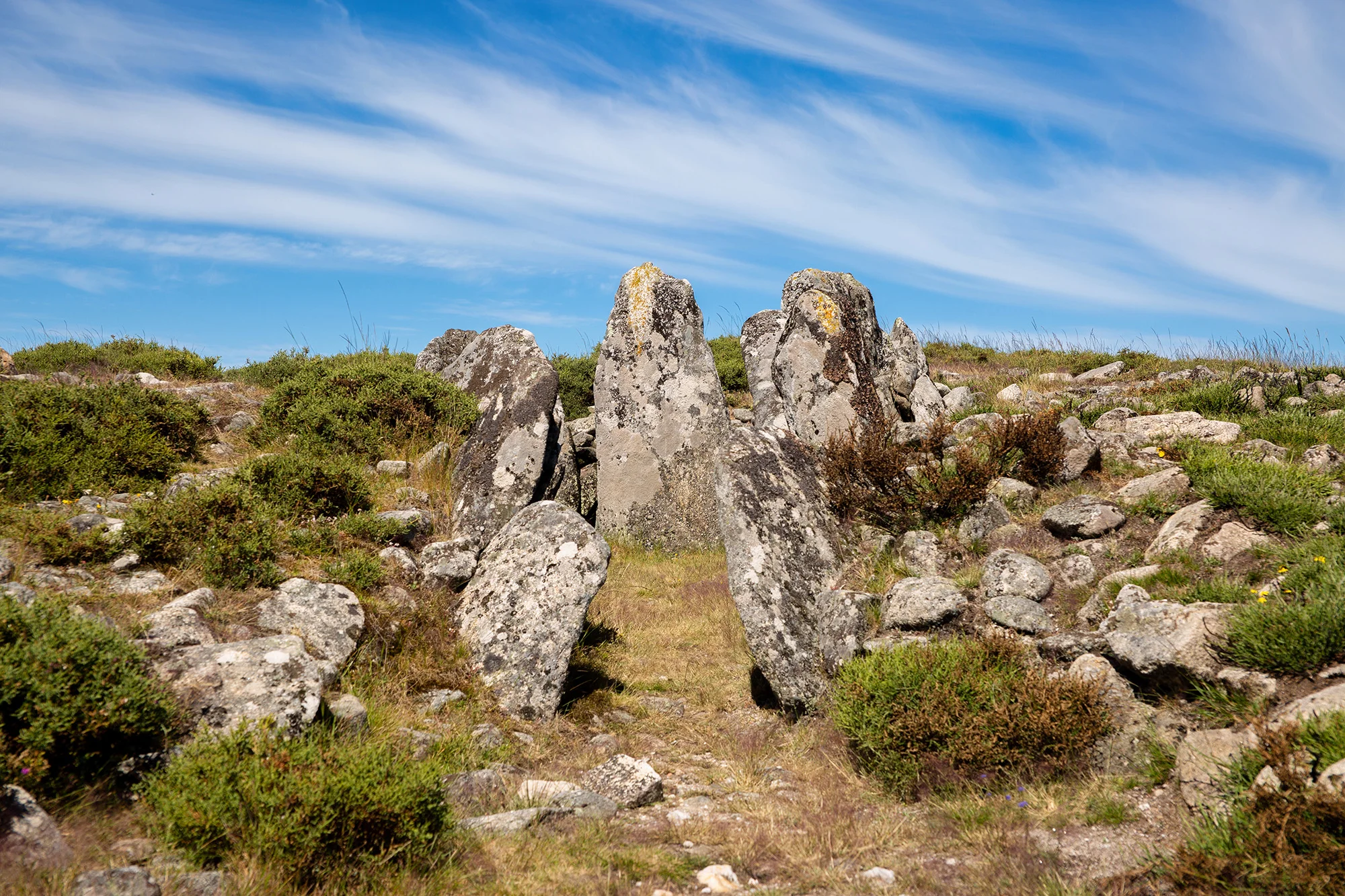
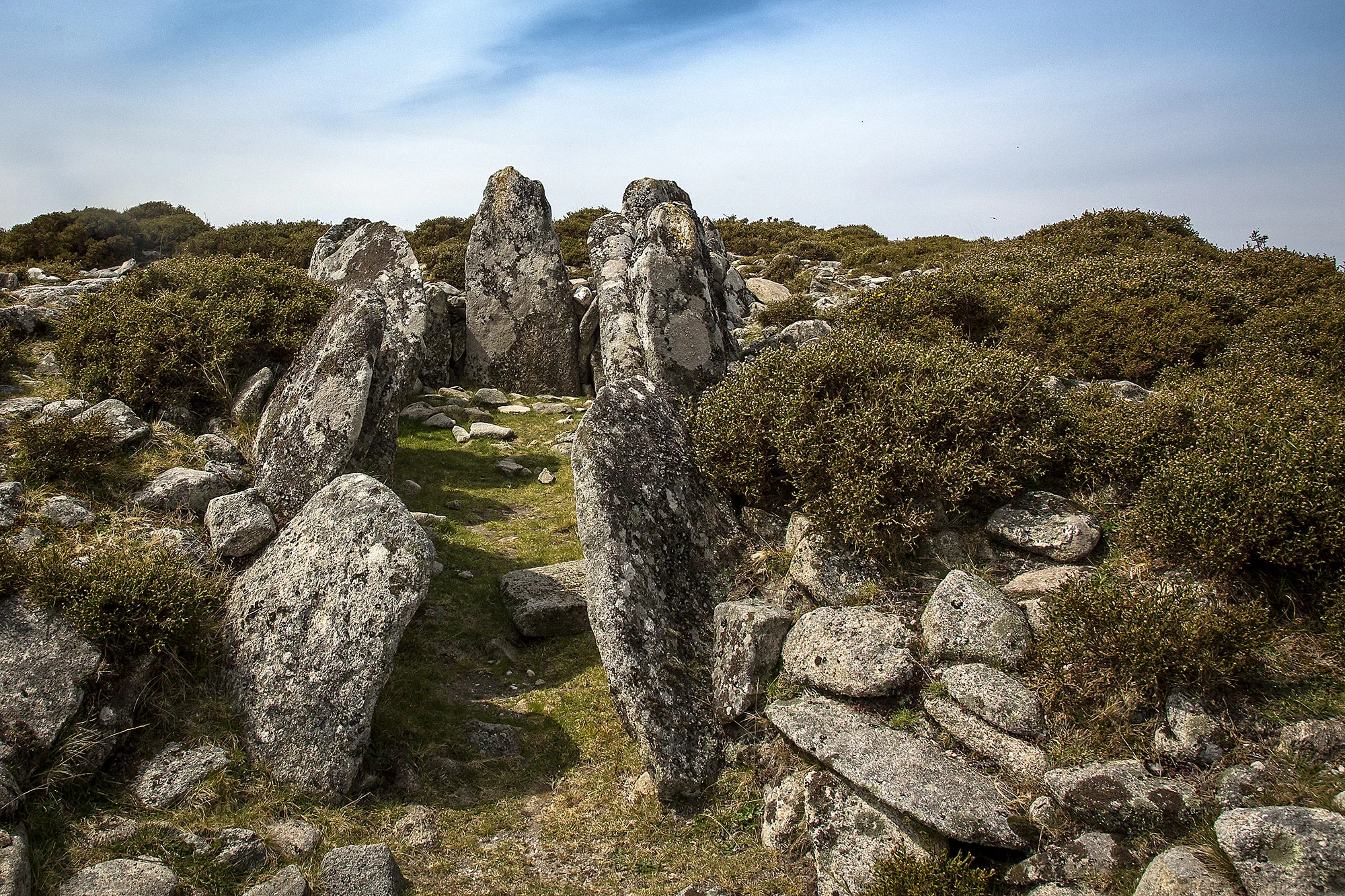
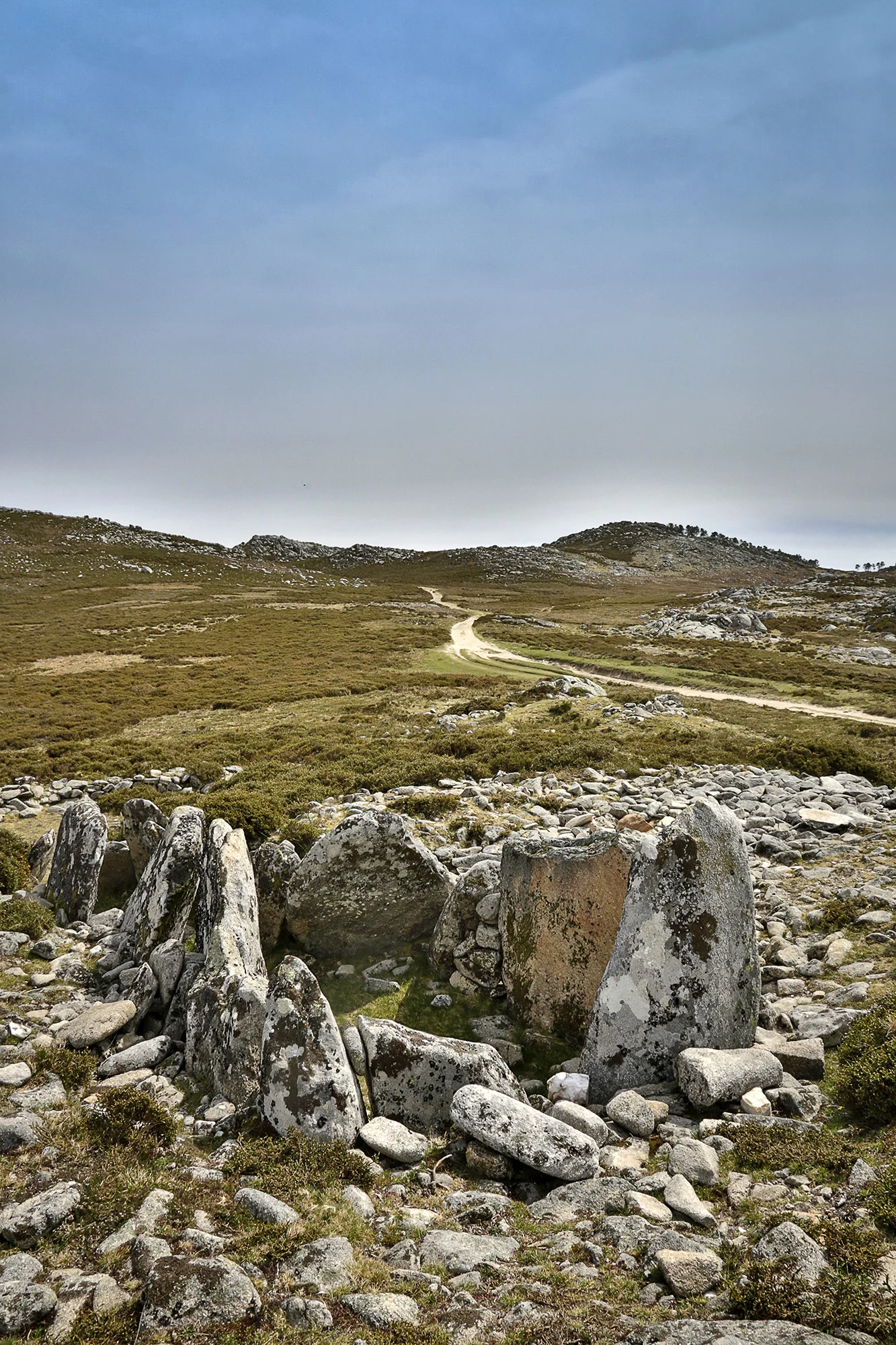
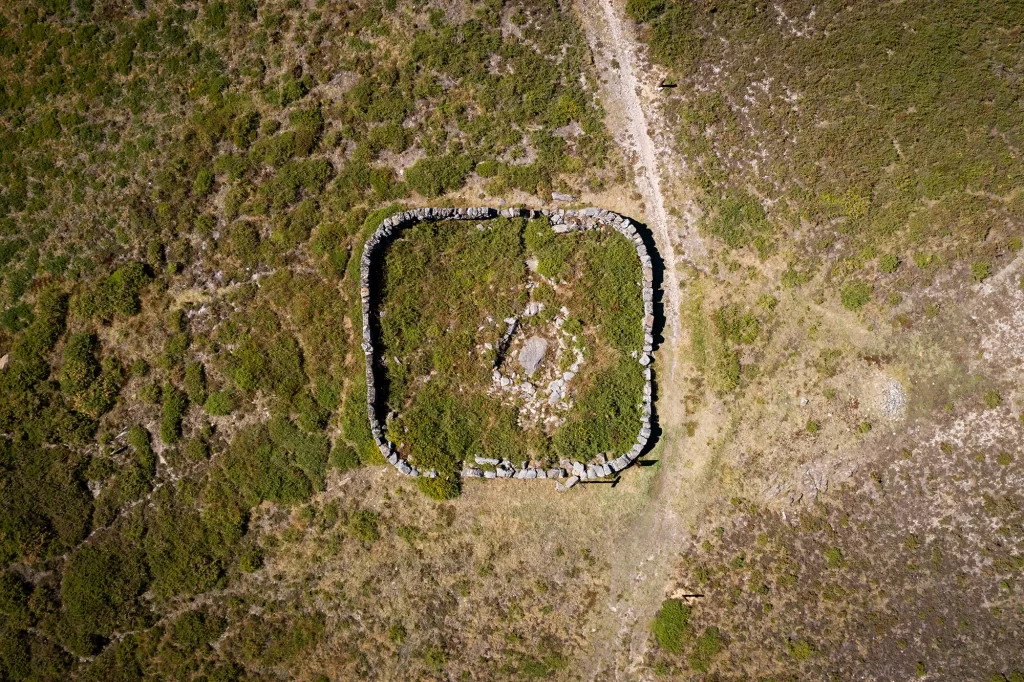
High on the plateau of the Freita Mountain lies one of the region’s most fascinating prehistoric monuments – the Dolmen of Portela da Anta. Built by agropastoralist communities in the late 4th millennium BC, this impressive collective tomb offers a rare glimpse into life, death, and ritual over 5,000 years ago.
Also known as Mamoa da Portela da Anta, the main structure is surrounded by a 35-meter-wide mound that conceals the remains of a megalithic dolmen. Archaeological excavations revealed a mysterious stone circle on its western side, likely used for rituals, and a ceremonial atrium on the east, marking the entrance to the burial chamber.
Inside, researchers uncovered fragments of pottery, flint tools (such as arrowheads and blades), and even a small copper punch – evidence that the site remained in use until the Bronze Age.
Remarkably, the dolmen was later reused during the Roman period, when this sacred prehistoric site became the final resting place for cremated remains. Among the finds were a fragment of green glass and delicate graphite beads from a necklace, silent witnesses to a long and layered history.
The Dolmen of Portela da Anta is more than just an archaeological site, it’s a powerful link to the ancient communities that once called the Freita Mountain home.